
Porcelain Veneers vs. Cosmetic Bonding: Which Smile Fix Lasts Longer?
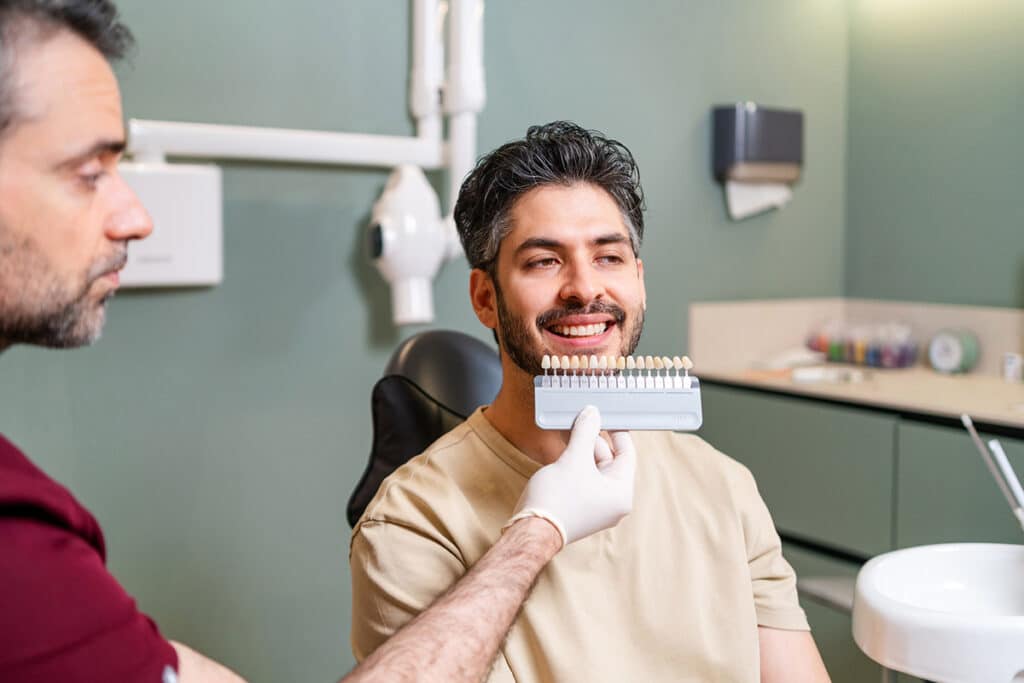
If you want to improve chips, stains, gaps, or uneven teeth, you will find more than one good option. Two of the most common choices are porcelain veneers and cosmetic bonding, and both can make a real difference in how your smile looks and feels.
Still, the biggest question we hear is often about longevity. That makes sense. When you invest in your smile, you want results that look natural, feel comfortable, and hold up well over time. In this guide, we will walk through how veneers and bonding compare, what affects how long they last, and how to decide which treatment may fit your needs, goals, and budget. If you are exploring cosmetic dentistry in Jonesborough, TN, understanding these differences can help you move forward with confidence.
What Porcelain Veneers and Cosmetic Bonding Are Designed to Fix
If you need to improve the shape or color of a tooth, you will find that both treatments can help. Porcelain veneers are thin shells, usually made from durable dental porcelain, that we place over the front of teeth. Cosmetic bonding uses a tooth-colored resin that we shape directly onto the tooth and then harden with a special light.
Both options can address common cosmetic concerns, including:
- Chipped or cracked teeth
- Small gaps between teeth
- Worn edges
- Uneven shape or size
- Stains that do not respond well to whitening
The main difference is how each treatment works and how long the material tends to hold up. Veneers are custom-made in a dental lab, which gives them excellent strength, stain resistance, and a lifelike finish. Bonding is usually completed in one visit, which makes it a simpler and more affordable choice for smaller fixes.
Here is the key takeaway: both treatments can improve your smile, but they are not identical. Veneers often suit patients who want a bigger cosmetic upgrade with longer-lasting results, while bonding can be a smart option for minor repairs or quick aesthetic improvements.
Which Option Usually Lasts Longer?
If lasting power is your top concern, you will often find that porcelain veneers come out ahead. In many cases, veneers can last 10 to 15 years or longer with good care. Some patients keep them in great shape for even longer. Because porcelain is strong and resists staining well, it tends to maintain its look better over time.
Cosmetic bonding usually has a shorter lifespan. Many bonded teeth last around 3 to 10 years, depending on where the bonding is placed, your bite, and your daily habits. Bonding material is durable, but it is not as strong as porcelain. It can chip, wear down, or stain more easily, especially on front teeth that see a lot of use.
Several factors affect how long either treatment lasts:
- Whether you grind or clench your teeth
- How well you brush and floss each day
- If you bite ice, pens, or hard foods
- How often you drink coffee, tea, or red wine
- The location of the treated tooth
- Your regular schedule for dental checkups
So what does this mean in practical terms? If you want the longer-lasting option, veneers usually offer more durability. If you want a conservative treatment for a smaller concern, bonding may still be the right fit, even if it needs touch-ups sooner.
Appearance, Maintenance, and Cost Matter Too
Longevity matters, but it is not the only factor. If you are choosing between veneers and bonding, you will also want to think about appearance, upkeep, and cost. These day-to-day realities often shape the best decision just as much as lifespan does.
Porcelain veneers are known for their polished, natural look. Because porcelain reflects light in a way that is similar to enamel, veneers often blend beautifully with surrounding teeth. They also resist stains better than bonding resin. That can be a big advantage if you want your brighter smile to stay bright.
Bonding can also look very natural, especially for small areas. We often recommend it when a tooth has a minor chip or a small gap that does not require a full veneer. However, bonding is more likely to pick up stains over time, and it may lose some of its smooth finish sooner than porcelain.
Cost is another common decision point:
- Porcelain veneers: Higher upfront cost, but often longer lifespan
- Cosmetic bonding: Lower upfront cost, but may need more repairs or replacement over time
Maintenance for both options is straightforward. We encourage patients to brush twice a day, floss daily, avoid using teeth as tools, and keep regular dental visits. If you grind your teeth at night, a custom night guard can help protect your investment. Simple habits matter. They really do!
How We Help Decide Which Smile Fix Fits You Best
If you are not sure which treatment makes sense, you are not alone. The right answer depends on your goals, the condition of your teeth, and how much change you want to see. We always encourage a personalized decision, because one smile is never exactly like another.
Porcelain veneers may be a better fit if you:
- Want a longer-lasting cosmetic solution
- Hope to change several teeth at once
- Have stains that whitening cannot improve
- Want a more dramatic smile makeover
Cosmetic bonding may be a better fit if you:
- Need a small chip or gap repaired
- Want a faster treatment
- Prefer a lower upfront cost
- Want a more conservative approach to enamel removal
We also look at your bite and oral health before recommending any cosmetic treatment. For example, if you have untreated decay, gum issues, or heavy grinding, we need to address those concerns first. A beautiful result should also be a healthy, stable one. That is part of providing thoughtful, experienced, and skillful care.
In many cases, the choice comes down to your priorities. If your main goal is durability and long-term polish, veneers may be worth the investment. If your main goal is a modest improvement with less expense and less preparation, bonding can be an excellent choice. Either way, a careful exam and honest conversation help us create a plan that fits your smile, not just the textbook.
Making a Confident Choice for Your Smile
When we compare porcelain veneers and cosmetic bonding, veneers usually last longer and resist stains better. Bonding, on the other hand, often works well for smaller corrections and can be completed more quickly with a lower initial cost.
The right treatment depends on what you want to fix, how long you want the results to last, and what fits your budget and comfort level. We believe you deserve clear guidance, practical answers, and care that feels both personal and precise. When you understand the tradeoffs, you can choose your next step with confidence.
Frequently Asked Questions About Cosmetic Dentistry
How long do porcelain veneers usually last?
Porcelain veneers often last 10 to 15 years or longer when patients take good care of them. Their lifespan depends on daily hygiene, bite pressure, and habits like grinding or chewing hard objects.
Does cosmetic bonding stain more easily than veneers?
Yes, bonding material usually stains more easily than porcelain. Drinks such as coffee, tea, and red wine, along with tobacco use, can cause bonding to discolor faster over time.
Is cosmetic bonding reversible?
In some cases, bonding is considered more conservative than veneers because it often requires little to no removal of natural tooth structure. That said, whether it is reversible depends on the specific treatment and the condition of the tooth.
Are veneers stronger than bonding?
Porcelain veneers are generally stronger and more durable than cosmetic bonding. They tend to hold their shape and appearance longer, especially when placed on teeth that need more extensive cosmetic improvement.
Which is better for chipped front teeth: veneers or bonding?
It depends on the size of the chip and your long-term goals. Bonding can be ideal for small chips, while veneers may be better for larger cosmetic concerns or when you want a longer-lasting result.
At Ridgeview Family Dental, we are proud to serve our community with compassionate, experienced, and attentive dental care. We combine old-fashioned, friendly service with modern treatment options so patients and families can feel informed, comfortable, and cared for at every visit. To learn more or schedule an appointment, contact us.